
媒体中心
港大生態學研究指出
土地用途和氣候變化對物種重新分佈有重要交互影響
氣候變化正在改變全球物種的分佈範圍。隨著氣候變暖,各種生物正朝著兩極高緯度和高海拔等溫度較低的地區遷移。然而,全球土地用途的巨大變化亦同時影響著物種的生存環境,那兩者會否交互影響全球物種的分佈格局?
針對這一問題,香港大學生物科學學院碩士研究生郭鳳儀,在其導師Timothy Bonebrake博士 (港大) 和合作夥伴Jonathan Lenoir博士(法國國家科學研究中心)的指導下進行了深入研究。其研究成果剛於學術期刊《自然通訊》發表,表述土地利用和氣候變化對於海拔梯度上的物種分佈的交互影響。通過分析全球43個研究點、達2,798種動植物向高海拔地區遷移的數據,他們發現物種遷移的速度受森林覆蓋率所限制。在較為寒冷的地區,物種遷移的速率隨著森林破壞加劇而有所放緩。與之相反,在熱帶等較高溫的地區,物種遷移速率卻會隨著急遽的森林破壞而加快。
此研究成果對於理解全球變化對生物多樣性的影響有重要意義。近年來,現有研究多側重於氣候變暖這單一因素對物種分佈範圍的影響。 我們應更全面考慮土地利用對棲息地造成破壞所帶來的影響。這一研究同時表明,熱帶物種在氣候變化和棲息地改變的雙重威脅下尤為脆弱。因此,為實現有效的生態保育,我們應綜合考慮棲息地破壞和氣候變化對各物種的相互影響。
這項研究得以順利進行實有賴近年多個關物種重新分佈的調查工作。Bonebrake博士指出:「雖然學界普遍認為土地利用變化對氣候變暖下物種重新分佈有潛在影響,但對其影響機制及重要程度的量化研究卻少之又少。」郭鳳儀說:「我們覆閲過往的物種調查數據多未有顯示土地利用情況在研究期間曾作出改變,但實際情況並非如此,這些被忽略的棲息地變化對物種分佈其實有著很重要的影響。」
Bonebrake博士補充道:「此研究揭示了氣候變化對本港物種或有潛在影響,當氣候暖化可能將物種帶來香港的同時,近年土地發展所帶來的鄉郊復修和破壞等一連串人為因素,亦令我們更難預測本港物種遷移的分佈及趨勢。」
總體而言,此項研究強調了人類活動對全球生物的多方面影響。儘管部份物種可能通過調整生存範圍而適應氣候和棲息地的改變,並非所有物種都可實現有效遷移。而那些不能盡快調整的物種則可能面臨著氣候變暖和棲息地破壞等多種因素造成的滅絕威脅。
原文連結:https://www.nature.com/articles/s41467-018-03786-9
想了解更多相關研究請瀏覽Bonebrake博士「全球變化和熱帶生態保育研究室」的網頁:
https://web.hku.hk/~tbone/
傳媒查詢,請聯絡香港大學理學院高級傳訊經理陳詩迪 女士 (電話: 3917 5286/ 6703 0212; 電郵: cindycst@hku.hk)或生物科學學院Timothy Bonebrake博士(電郵: tbone@hku.hk)。
圖片下載:https://www.scifac.hku.hk/news/media?page=1
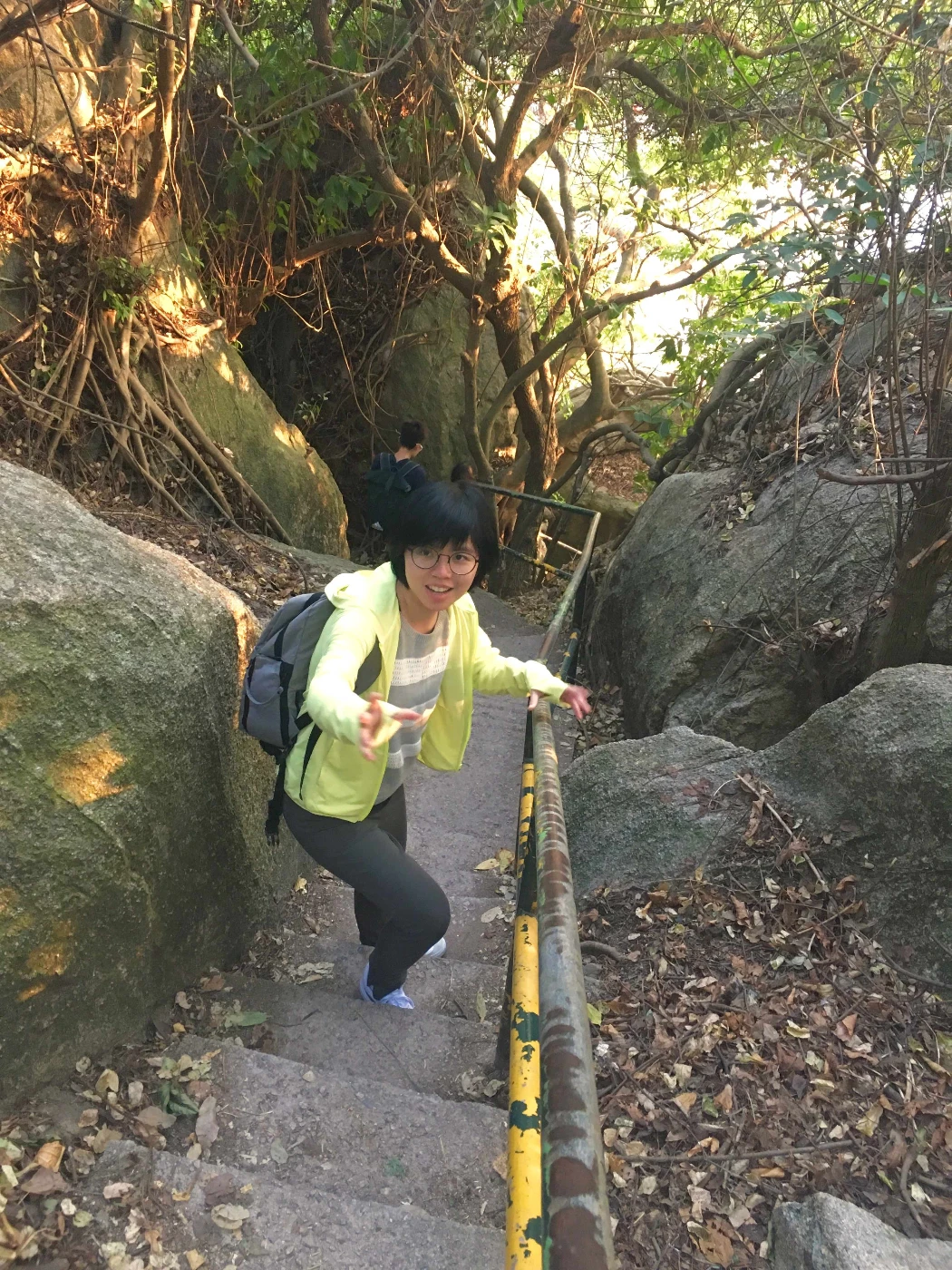
負責研究的港大碩士生郭鳳儀 (圖片來源:張嘉月)
The results of this research have several implications for understanding global change impacts on biodiversity. An emphasis on climate change for understanding how species change their distributions has been important in recent years but must be understood in the context of land-use change as well. Additionally, the results show that tropical species may be especially vulnerable to the dual effects of climate and land-use changes. Finally, how species respond to both habitat loss and changing climates should be considered carefully for effective conservation and management of biodiversity.
Increasing documentation of evidence for species redistribution under climate change in recent years made this research possible. “While the importance of land-use change for climate-driven species shifts has long been recognized, how land-use change is important or to what extent it affects species redistribution was never fully appreciated” noted Miss Guo. “Most of the studies we reviewed in this work stated that land-use remained unchanged over time while the data suggested otherwise and our results showed that these changes may have important implications.”
Dr Bonebrake added further that “this work also sheds light on possible climate change impacts on the species of Hong Kong – while warming may be causing species to shift their distributions here, both forest recovery in country parks and forest loss from development in recent decades may hinder our ability to detect changes as species distributions shifts will be a consequence of multiple interacting human impacts”.
Overall the research emphasizes how species must contend with multiple human impacts on the natural world. While some species may be able to move (and do move) in response to climate change and/or land-use change, others may not. Those species that are unable to respond effectively to warming or habitat loss face a high risk of extinction.
Link of article at Nature Communications:https://www.nature.com/articles/s41467-018-03786-9
More on the Global Change and Tropical Conservation Laboratory led by Dr Bonebrake:
https://web.hku.hk/~tbone/
For media enquiries, please contact Ms Cindy Chan, Senior Communication Manager of HKU Faculty of Science (tel: 3917 5286/ 6703 0212; email: cindycst@hku.hk) or Dr Timothy Bonebrake, HKU School of Biological Sciences by email at tbone@hku.hk.
Image download and illustration: https://www.scifac.hku.hk/news/media?page=1
相关主题
相关文章