
媒體中心
全球超過一成多達20品種的石斑魚面臨滅絕危機
港大海洋專家呼籲適當保育,停止過度捕撈並節制食用
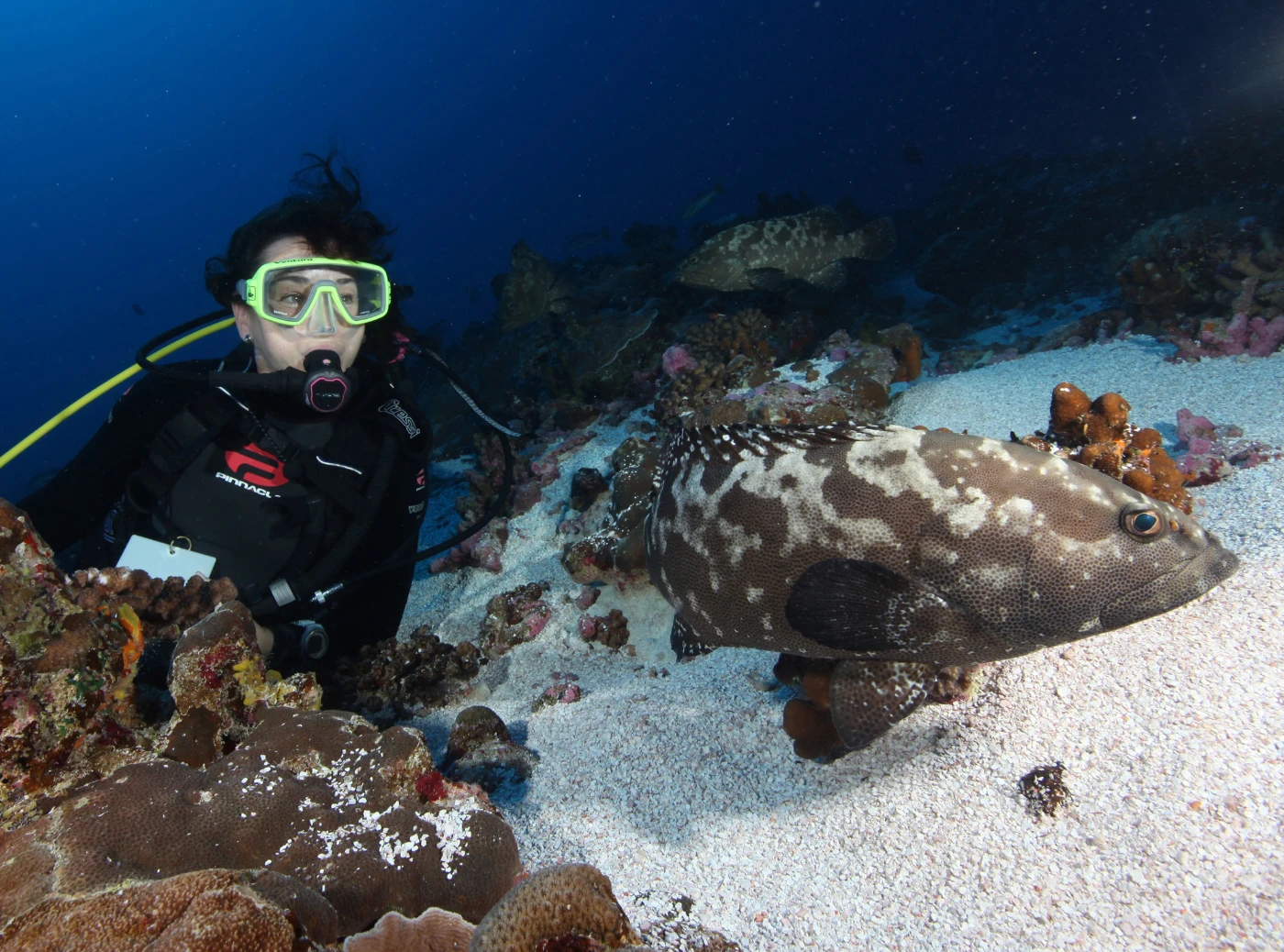
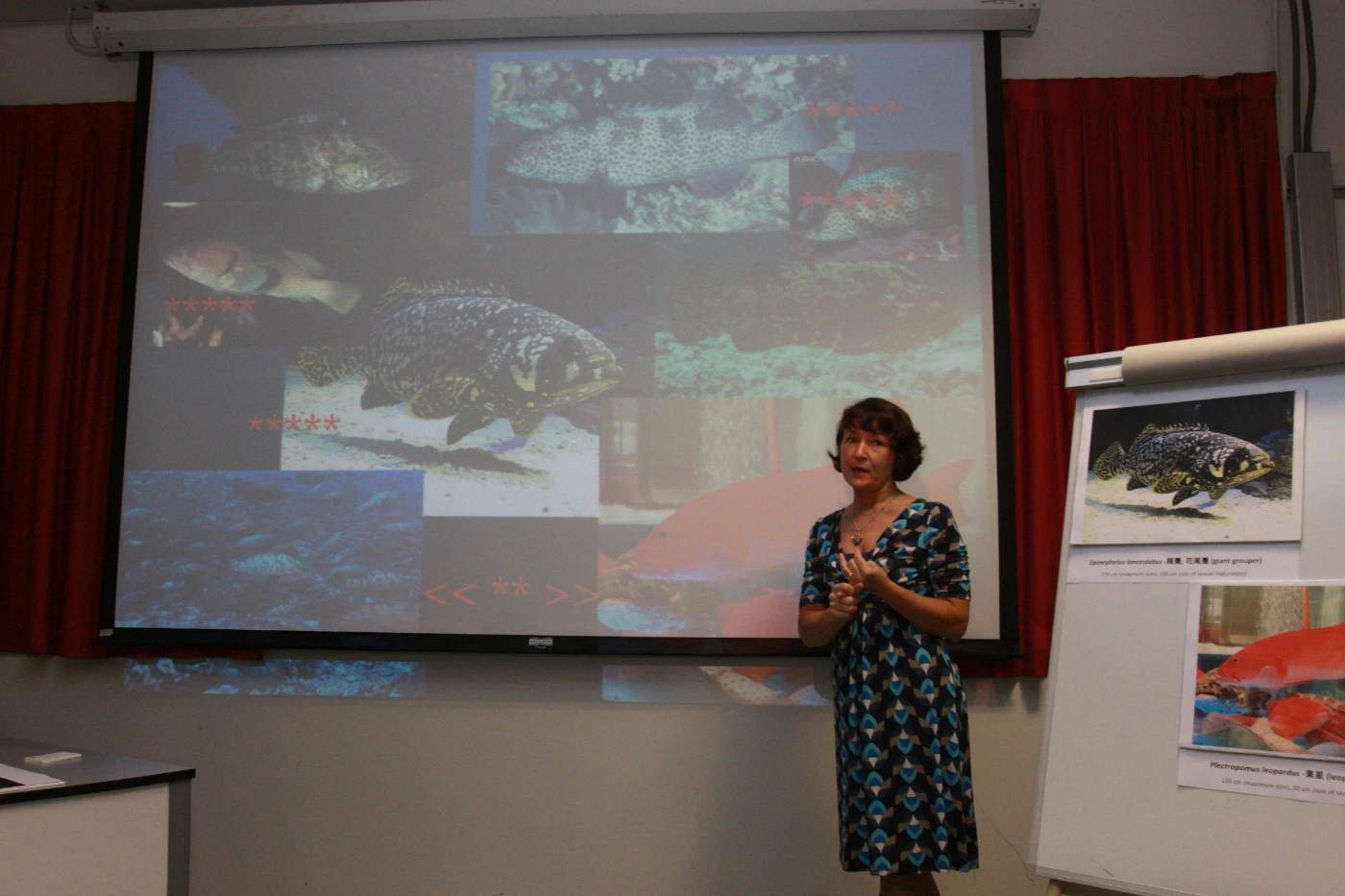
全球有百分之十二的石斑魚,由於過度捕撈正面臨滅絕的危機,涉及的魚種多達20 種
香港大學太古研究所海洋和淡水生物研究學者薛綺雯教授領導的研究發現,全球有百分之十二的石斑魚,由於過度捕撈正面臨滅絕的危機,涉及的魚種多達20 種,其中不少是酒樓食肆常見的食用魚包括老鼠斑﹑香港海紅斑﹑油斑和皇帝星(豹星)等。另外有22種約百分之十三的石斑魚被列為受威脅品種,當中包括東星和杉斑等。
全球現時大約有163種石斑魚,有大約百分之三十的石斑魚由於數據不足,在國際間未有妥善的協作保育和魚獲管理措施,過度捕撈趨勢持續的情況下,估計受威脅的品種和數量遠比研究發現的更多。
薛綺雯教授和她的研究團隊,蒐集並分析海洋生物專家累積了超過20年以上的數據,加上實地考察,研究結果於2013年4月28日在學術期刊「魚和漁業」中發表。
薛綺雯教授是國際自然保護聯盟(The International Union for Conservation of Nature)物種存續委員會和石斑魚和蘇眉專家小組的主席,她的研究發現,在一些水域,石斑魚的魚量下降驚人,過度捕撈和蓬勃發展的國際高檔海鮮貿易已被確定為威脅石斑魚生存的主要原因,如果沒有妥善的管理, 多個石斑魚品種將面臨滅絕的危險,這反過來又會對無數靠捕撈活海產為生,從事有關貿易的人的生計做成威脅。
「石斑魚漁業大多數都沒有管理,加上石斑魚自然繁殖能力不能跟上日益增加的需求,而鮮活魚國際貿易迅速增長,將令石斑魚數目進一步降低,形成惡性循環。」薛綺雯教授說。
薛綺雯教授指出,2009年全球食用石斑魚已超過300,000噸,有9千萬條石斑魚在餐桌上被吃掉,這情況在亞洲的高級餐廳尤為嚴重。在中國大陸市場不斷的增長下,估計濫吃石斑的情況只會越來越嚴重。此外,中國對鮮活海產需求增加,也令東南亞一些食用海魚出口國出現魚類嚴重過度捕撈的情況,尤其在菲律賓,馬來西亞,印尼等地,而一些國家如斐濟和帕勞,現時已經禁止了相關的貿易。
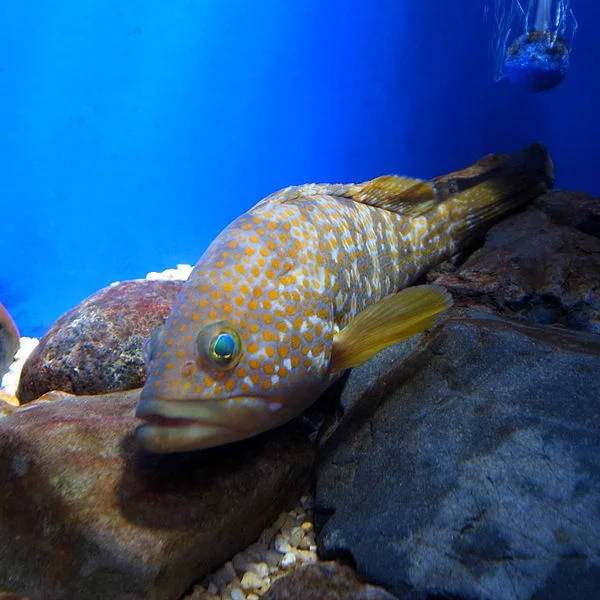
香港酒樓食肆常見的食用魚海紅斑,被列為瀕危魚種
薛綺雯教授進一步指出,香港鄰近大陸,作為全球鮮活海產貿易的一個主要中心,她在管理海洋魚類進口和銷售等的條例已經過時,未能遵守國際公約和協定。以蘇眉(珊瑚魚的一種)為例,根據 “瀕危物種貿易公約” 附錄II(瀕危野生動植物種國際貿易公約),蘇眉是受保護的魚種,由於香港對註冊漁船鮮活海鮮進口的邊境檢查執法不嚴,活蘇眉仍然能夠源源不絕地非法進入香港,再出口到龐大的中國內地市場。
「如果我們要在未來繼續享用野生珊瑚魚,必須在源頭捕撈和進出口貿易方面,作出妥善管理,控制捕撈和進出口的數目在可持續發展的範圍內。顧客不僅要準備付出更多的金錢,也要減少進食野生魚。」薛綺雯教授認為出口國家必須小心管理自己的漁業,進口地像香港,必須協助監察進口貿易,執行國際法律保護受威脅的物種。她指出,海水養殖只能有限地解決過度捕撈和海產品供應的問題,由於養殖石斑魚的魚苗大多數在海中捕獲,過度捕撈魚苗,最終也會導致石斑魚消失。
「我們必須接受海洋魚類不是無窮無盡的,我們需要調整對野生魚類的需求,如果不是這樣,這些野生魚將會從我們的菜單上消失。」薛綺雯教授認為最終的解決方案,是減少吃野生魚。
她還促請香港政府採取措施,加強打擊非法貿易,更加緊密地監察鮮活海產進出口,並鼓勵大家改變飲食習慣,公務飲宴只選擇食用可持續發展的野生魚類物種。
薛綺雯教授的研究詳情,請參考:
https://onlinelibrary.wiley.com/doi/10.1111/j.1467-2979.2011.00455.x/abstract
薛綺雯教授攝錄的深海魚類生態片段,請瀏覽: https://www.cpao.hku.hk/media/groupers.mp4 (音樂受版權保護,請勿使用)
查詢研究內容,請聯絡薛綺雯教授,電郵: yjsadovy@hku.hk; 或電話2299 0603
傳媒相關查詢,請聯絡傳訊及公共事物處:助理總監(傳媒),徐佩瑩小姐 電話:2859 2606 電郵:pychoy@hku.hk或高級經理(傳媒),尹慧筠小姐 電話:2859 2600; 電郵:melwkwan@hku.hk
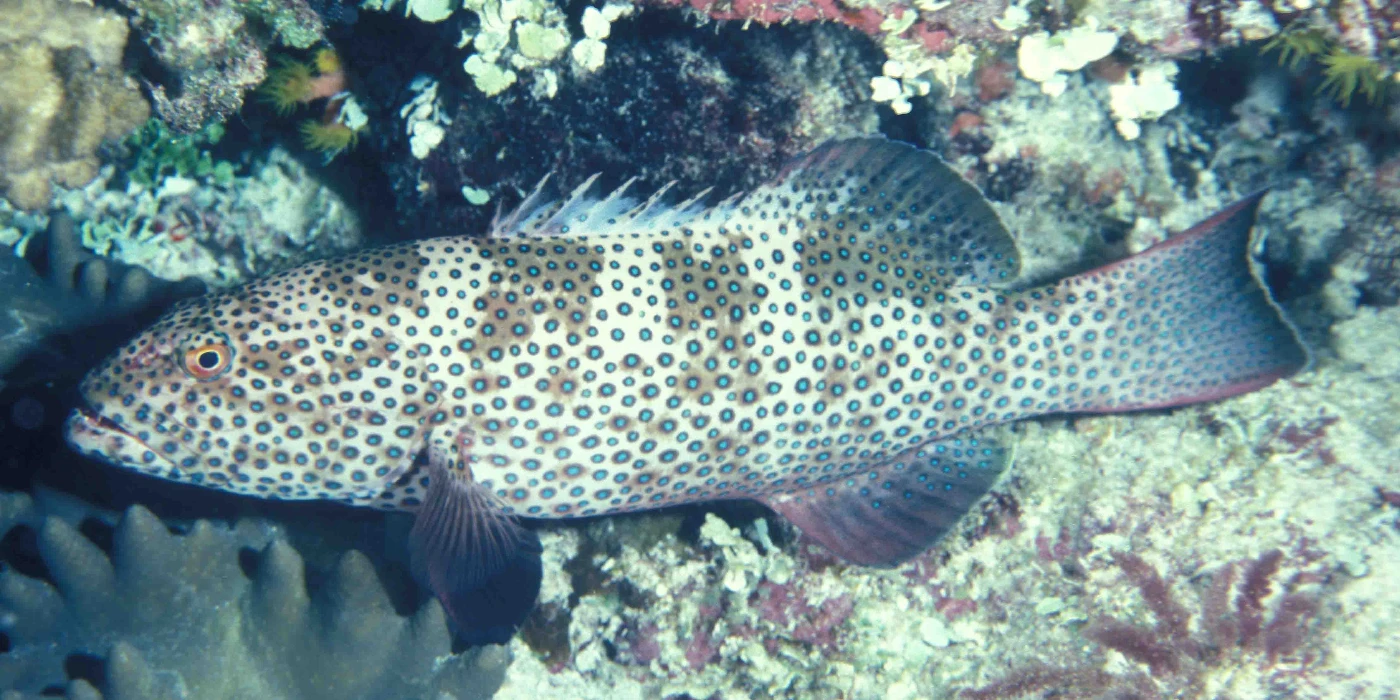
/f/news/9720/P._areolatus_pic_J._Randall.JPG
“As just one example, one fish in the live reef fish trade of Hong Kong is the Humphead wrasse (or Napoleon fish), Cheilinus undulatus (So Mei in Cantonese). This is protected under international legislation on Appendix II of CITES (Convention on International Trade in Endangered Species) but fish continue to enter (and exit into the massive market of Mainland China) the city illegally mainly because there is inadequate inspection of Hong Kong-registered vessels that carry live seafood,” said Professor Sadovy.
Meanwhile, mariculture, or fish farming, offers only a limited solution to overfishing and seafood supply, as farming groupers very often involves grow-out in floating cages of juvenile groupers caught in the wild, hence taking too may juveniles of species which will eventually lead to their disappearance. Professor Sadovy said the ultimate solution should be a change in the eating habit, particularly of the Chinese people, who favour the wide species and whose consumption of groupers is on a rapid rising trend.
She also urges the Hong Kong government to step up measures to combat illegal trade and to promote sustainably sourcing and marketing practices and policies for conservation of the species. Her suggestions below:
- Source countries need to manage fishing levels for local food security as a top priority with exporting their reef fishes only carried out if resources are sufficient.
- Hong Kong and Mainland China governments must monitor international seafood trade, especially by ships, to ensure compliance with international Conventions such as CITES for threatened species and to assist in monitoring volumes of trade by species and their provenance. Such information is essential for enforcement and for following trade trends and changes over time, as well as for food safety considerations.
- Hong Kong government needs to update its regulations to bring live fish trade under better control; live fish is unregulated, unlike dead fish which must be marketed through the Fishery Marketing Organization. There are historic reasons for this but these are now very much out of date and consistency and rigour is needed in the seafood markets and trade for health and sustainability reasons.
- Traders and retail outlets can contribute significantly to the supply of sustainably caught fish to consumers by their sourcing and marketing practices and policies, and in relation to Corporate Social Responsibility practices. One option is to develop and promote trade relationships with responsible producers.
- Shipping companies could be more vigilant to ensure that they are not transporting illegal cargo.
- The local mariculture sector could adopt better practices by feeding groupers with pellet food rather than wild ‘trash’ fish and by only importing hatchery produced juveniles, not wild caught juveniles, for grow-out operations.
- Customers can exercise options to select sustainably sourced seafood using the WWF Seafood Guide, or Marine Stewardship Council labeled fish in our shops and markets.
- An informed public is well-positioned to make good seafood choices; education in all sectors of the public on the importance of consumer choice and the state of our oceans is needed. The government should set a good example by serving sustainably caught seafood in official functions
- Many people still believe that the seas are endlessly full of fish and have no idea where the fish on their plate comes from. It will need to develop a better understanding in the city about the impacts that one’s habits have on other places in the world.
The article “Fishing groupers towards extinction: a global assessment of threats and extinction risks in a billion dollar fishery” is available at: http://onlinelibrary.wiley.com/doi/10.1111/j.1467-2979.2011.00455.x/abstract
For a short video taken by Professor Sadovy The Spawning for Survival, please visit: http://www.cpao.hku.hk/media/groupers.mp4 (music of the video is copyrighted)
About IUCN
IUCN, International Union for Conservation of Nature, helps the world find pragmatic solutions to our most pressing environment and development challenges. IUCN supports scientific research, manages field projects all over the world, and brings governments, NGOs, the UN and companies together to develop policy, laws and best practice. IUCN is the world’s oldest and largest global environmental organization, with more than 1,000 government and NGO members and almost 11,000 volunteer experts in some 160 countries. IUCN’s work is supported by over 1,000 staff in 60 offices and hundreds of partners in public, NGO and private sectors around the world. www.iucn.org; IUCN on Facebook; IUCN on Twitter
About the Species Survival Commission
The Species Survival Commission (SSC) is the largest of IUCN’s six volunteer commissions with a global membership of around 8,000 experts. SSC advises IUCN and its members on the wide range of technical and scientific aspects of species conservation, and is dedicated to securing a future for biodiversity. SSC has significant input into the international agreements dealing with biodiversity conservation.
The IUCN Grouper/Wrasse Specialist Group was established in 1998/9. The Mission of group is to promote the conservation, management and wise use of groupers and wrasses, and to enhance awareness of the vulnerability of this group of fishes, and of the habitats upon which they depend. The Specialist Group in the current triennium has 40 members from 18 countries.
For enquiries about the research, please contact Professor Yvonne Sadovy, Professor, School of Biological Sciences and Swire Institute of Marine Science, HKU, email: yjsadovy@hku.hk; or office phone: 2299 0603
For media enquiries, please contact Communications and Public Affairs Office: Assistant Director (Media) Ms Trinni Choy, tel: 2859 2606 email: pychoy@hku.hk, or Senior Manager (Media) Ms Melanie Wan, tel: 2859 2600 email: melwkwan@hku.hk.
相關主題
相關文章