
媒體中心
港大發現歷奇訓練有助改善兒童癌症康復者運動的習慣
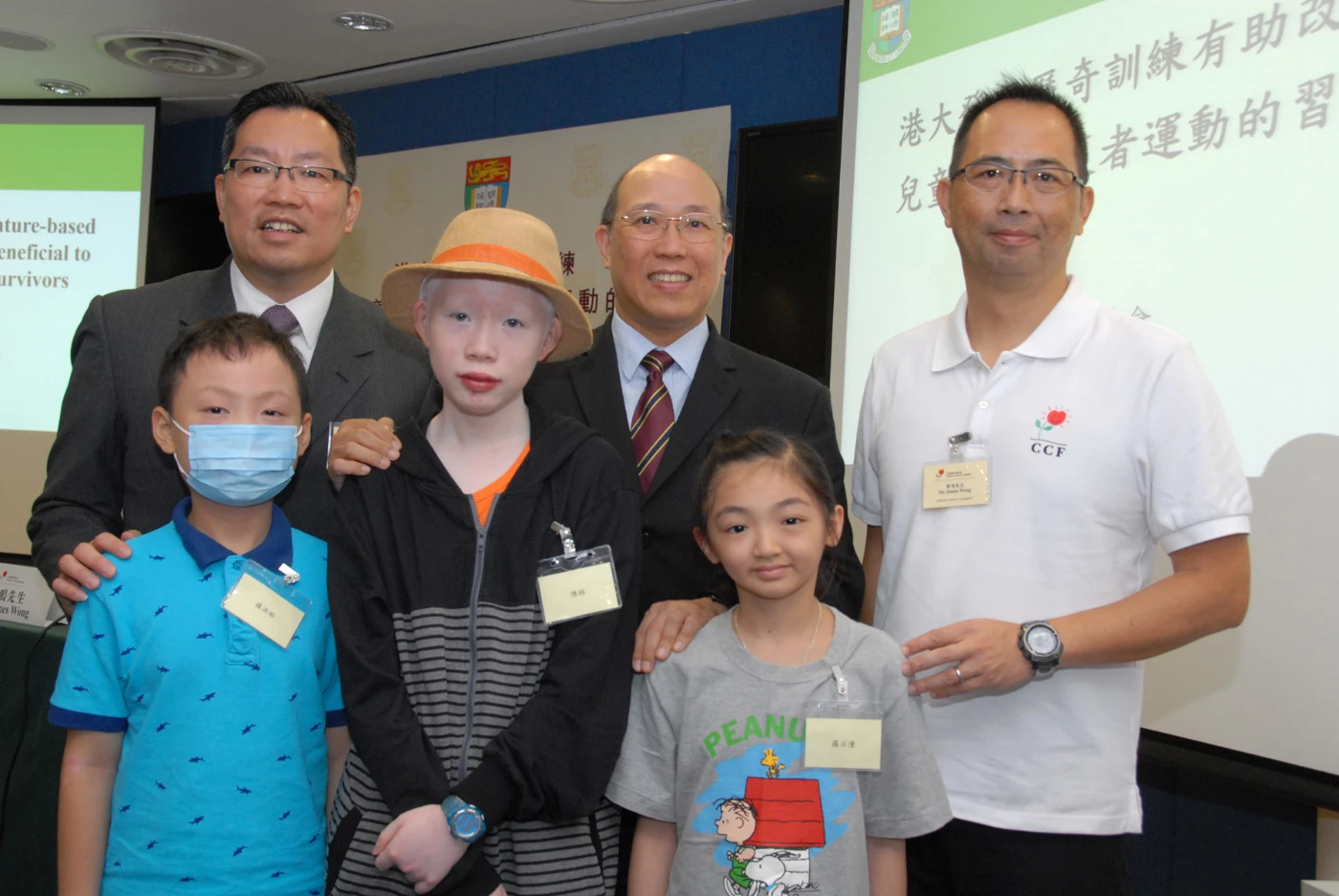
隨著日益進步的癌症檢測科技和癌症治療,兒童癌症患者的存活率得以提升。然而,癌症本身及其治療對康復者的生理和心理健康都會產生長期的負面影響,如疲乏、體力和耐力下降,繼而影響他們的日常生活質素,減少恆常運動,但這只會令身體因為缺少運動而引起肌肉分解代謝和萎縮,進一步加速疲乏感,並可能導致身體機能進一步下降,情況令人關注。香港大學李嘉誠醫學院護理學系的研究發現,歷奇訓練有助這班患者建立恆常運動的信心和習慣,對他們身體復原有正面幫助。
運動對兒童癌症患者的重要性
香港大學李嘉誠醫學院兒童及青少年科學系臨床教授及系主任、曹延洲基金教授(兒童及青少年科)陳志峰教授表示:「現今醫療科技進步,兒童癌症的總體治癒率已達百分之七十以上,但因癌症或其治療所引起的長期副作用,也開始逐步浮現。因此,我們的研究着眼於如何減少及處理這些衍生的問題。」
歐美眾多研究顯示,兒童可以通過體力活動改善由癌症本身或其治療引起的疲乏,促進心血管、新陳代謝、心肺、肌肉和骨骼的健康。另外,亦有一些證據表明,增加恆常運動能有效減少焦慮和抑鬱症狀,改善情緒狀態,增強抵禦壓力能力,促進自信心和生活質素。
關於兒童癌症康復者歷奇訓練計劃
歷奇訓練計劃已被廣泛用於促進小學生心理健康,及幫助濫用藥物或患有長期疾病的青少年,透過這種培訓的經驗來改變自我的感覺、思維模式和行為。歷奇訓練計劃的主要目的是要參加者通過在室外環境中的體驗和實踐,從而改變其認知思維和行為。
香港大學李嘉誠醫學院護理學院於2012至2013年進行了一項隨機對照試驗,以證明歷奇訓練計劃在促進兒童癌症康復者恆常運動的有效性。是次實驗共邀請了71位兒童癌症康復者參加。實驗以隨機形式分開了實驗組及對照組,實驗組的34位康復者於六個月內參與四次的歷奇訓練日營,每次歷奇訓練均會於學校假期進行,所有歷奇訓練的活動均以體驗式學習為主,參加者會因個別身體的情況挑戰各種不同難度的活動,內容包括:繩網、攀石、射箭及一系列的小組競技活動。而另外37位康復者則為對照組,於六個月內參與由社區中心舉辦的課餘活動,例如:健康講座、電腦及象棋遊戲、參觀主題公園和博物館。
經過9個月的觀察,與基線(參加歷奇訓練之前)比較,參加了歷奇訓練計劃的兒童癌症康復者在9個月後的運動水平增加了96%,做運動的自信心提升了23%,以及其生活質素有7%的改善。最重要的是,歷奇訓練計劃可以讓兒童癌症康復者了解恆常活動對於改善他們健康的重要性。
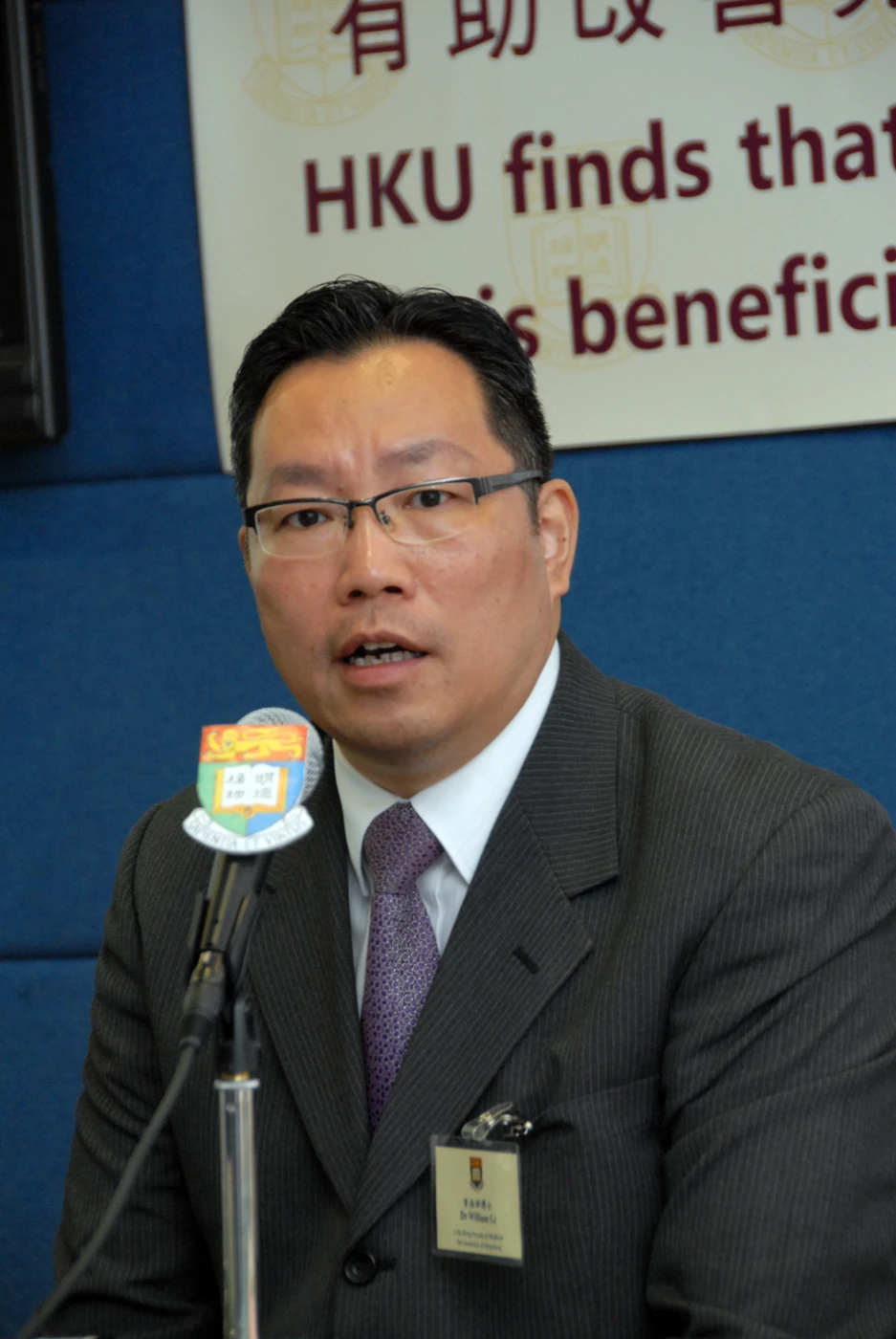
香港大學李嘉誠醫學院護理學院副教授李浩祥博士指出:「透過一些富挑戰性的活動,歷奇訓練讓參與者挑戰自己,從中體驗、學習及實踐本以為不可能做到的事情,大大提升他們的自信心,學會了永不放棄的精神。而通過訓練,更可以提升他們建立恆常運動的信心及習慣,有助他們回復身體機能。」
有關兒童癌症康復者運動的情況
恆常運動有助促進兒童癌症康復者的生理和心理健康。定期的中等強度體力活動有助改善治療帶來的相關不良影響,例如疲乏及肌力強度和耐力的下降,藉此改善他們日常生活質素。可是,許多兒童癌症康復者因為疲乏及體力和耐力下降而減低進行恆常運動。又或是為了減低由癌症本身或其治療引起的疲乏,父母經常建議兒童癌症康復者減少他們的運動量,以得到更多的休息時間。然而,這樣的建議反而會令身體機能進一步下降。
根據香港大學李嘉誠醫學院護理學院進行有關兒童癌症康復者的恆常運動量的研究,發現兒童癌症康復者與病發前的情況相比,康復者的恆常運動量顯著減少。此外,在完成癌症療程、以及在康復後,無論是運動的次數和強度,都有明顯下降的趨勢。研究結果更顯示,約90% 的香港兒童癌症康復者未能達到世界衞生組織建議的標準運動量要求,即每天做多於60分鐘中等或劇烈的帶氧運動,及每週至少花3天進行劇烈運動。
香港兒童癌症患者概況
在香港,兒童癌症並不常見,每年大約有160至190個新症。然而,它在兒童死亡原因當中位列第二,僅次於因意外而死亡。兒童癌症以急性白血病以及腦腫瘤為主,視乎癌症的期數及種類,一般的治癒率超過7成以上。大部分癌症患者於出生至4歲期間發病,以男童患者稍多。
如欲瀏覽新聞圖片及簡報,請登入以下網址:
https://www.med.hku.hk/v1/news-and-events/press-releases
In view of the new medical breakthrough for cancer screening and treatment, most of the children patients can be fully recovered by suitable treatments. However, cancer itself and its treatment will pose adverse long-term effects to the survivors both psychologically and physically, e.g. they will feel fatigue easily, with decreased physical strength and endurance. Their quality of life will be affected and they tend to do less physical activity, which will in turn further decrease their muscle strength and endurance, leading to a poorer health. Nevertheless, there is a growing concern about declining levels of physical activity among children’s cancer survivors. Researchers from the School of Nursing, Li Ka Shing Faculty of Medicine, The University of Hong Kong (HKU) find that adventure-based physical training can help these survivors to build up their confidence and habits in doing regular physical activities.
Importance of physical activities for children’s cancer patients
“With the recent advances in medical technology, the overall cure rate of childhood cancers is already over 70%. But the late effects of cancers or anti-cancer treatments also start to emerge. How to minimise and manage these newly arising issues is one of our major concerns and future research direction,” said Professor Godfrey Chan Chi-fung, Tsao Yen-Chow Endowed Professor in Paediatrics & Adolescent Medicine, Clinical Professor and Head of Department of Paediatrics & Adolescent Medicine, Li Ka Shing Faculty of Medicine, HKU.
There is strong evidence from studies in Europe and America that children can benefit from physical activity to improve cancer or treatment-related fatigue, promoting cardiovascular, metabolic, cardiorespiratory, muscle fitness and bone health. There is also some evidence that increased physical activity reduces state anxiety and depressive symptoms, improves mood states, enhances resilience to stress, and promote self-esteem and quality of life.
About the adventure-based physical training
Adventure-based training has been widely used to promote the psychological well-being of primary schoolchildren and to help youth substance abusers and adolescents suffering from chronic illness to change their feelings, pattern of thought, and behavior through the experience of such training. It aims at changing participants’ cognitive thinking and behavior through experience and practice in an outdoor environment.
A randomised control trial was conducted to examine the effectiveness of the adventure-based training in promoting regular physical activity among children’s cancer survivors. A total of 71 children’s cancer survivors participated in the trial. There are 34 survivors in the experimental group while 37 survivors in the control group. The experimental group joined four adventure-based physical training day camps in 6 months’ time, each training was conducted during school holiday. All the programmes are mainly experiential learning and each participant will participate in different activities, such as rope course, rock climbing, archery and a series of group competitive games. The control group attended extra-curricular activities held by community centres, e.g. health talks, computer and guess games, theme-park and museum visits in 6 months’ time.
After 9 months of observation, compared with the baseline (before participating in the adventure-based training), survivors who participated in the adventure-based training programme reported significantly higher levels of physical activity by 96% and self-efficacy of physical exercises increased by 23%, and better quality of life by 7 %. Most importantly, it can promote survivors’ awareness of the importance of regular physical activity for their well-being.
Dr William Li Ho-cheung, Associate Professor of School of Nursing, Li Ka Shing Faculty of Medicine, HKU said, “By using physical activity as a tool, adventure-based training allows participants to challenge themselves by experiencing, learning and implementing different tasks which seem to be impossible for them to complete. It proves that the training can enhance participants’ self-efficacy. Most importantly, through challenging games, children learn never give up, as well as building their confidence in doing regular exercise which is beneficial to their recovery.”
Overview on the physical activity level of children’s cancer patients
Regular exercise is beneficial to children’s cancer patients’ physical and psychological health. Moderate exercise can help to reduce the adverse effects caused by the cancer treatments, e.g. fatigue and lower muscles strength and endurance. However, many survivors reported that fatigue and reduced physical strength and endurance after remission prevent them from engaging in regular physical activity. In addition, to avoid cancer-related or treatment-related fatigue, children are often advised by their parents to take more rest and to reduce their physical activity. Nevertheless, such a recommendation can accelerate fatigue because physical inactivity induces muscle catabolism and atrophy, which in turn may lead to a further decrease in functional capacity.
According to the research by the School of Nursing on the physical activity levels of Hong Kong children’s cancer survivors, there was a significant decrease in the number of children’s cancer survivors participating in physical activity when compared with the premorbid situation. Moreover, the frequency of both moderate and vigorous physical activity decreased substantially after treatment had been completed and even lower after remission. In addition, the results indicated that about 90% of Hong Kong Chinese survivors did not meet the physical activity levels as recommended by the WHO, i.e. 60 minutes or more per day of aerobic activity, with most of the activities of moderate or vigorous intensity and with vigorous‐intensity physical activity on at least 3 days per week.
Overview on the childhood cancer in Hong Kong
In Hong Kong, childhood cancer is a rare disease and there are around 160-190 new cases each year. It is also the second major cause of death among children after accident. The two common types of cancer among children are acute leukaemia and brain tumours, the overall cure rate is over 70%, depending on the stages and types of cancers. Most cancers occur between one’s birth and age of 4, with boys’ patients slightly outreach girls.
For photos and powerpoint presentation, please click the below link:
https://www.med.hku.hk/v1/news-and-events/press-releases
相關主題
相關文章